
Author Black Sabbath
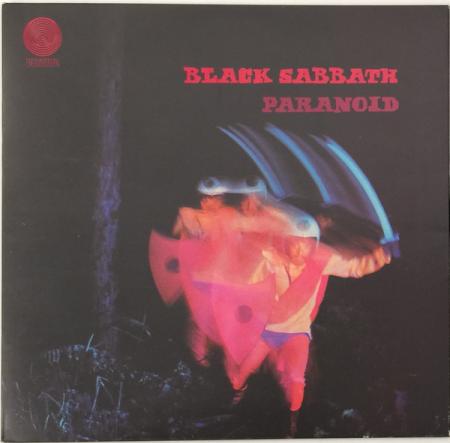


Children of the Grave
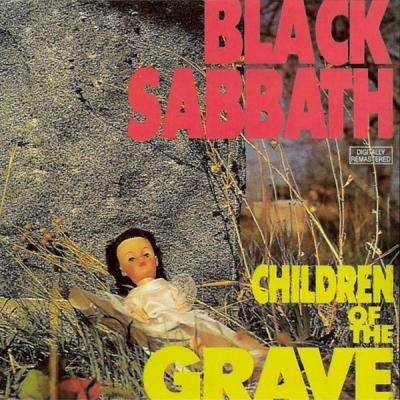
Si tratta di un brano facente parte dell'album "Master of Reality" del 1971.
Il testo riflette il timore di una guerra nucleare, una minaccia assolutamente attuale durante la guerra fredda. I giovani devono prendere posizione contro i politici guerrafondai nel nome della pace e dell'amore altrimenti la guerra metterà fine all'umanità.
Il testo riflette il timore di una guerra nucleare, una minaccia assolutamente attuale durante la guerra fredda. I giovani devono prendere posizione contro i politici guerrafondai nel nome della pace e dell'amore altrimenti la guerra metterà fine all'umanità.
Revolution in their minds - the children start to march
(Continues)
(Continues)
Contributed by Alessandro 2005/10/26 - 10:21
Electric Funeral
(1970)
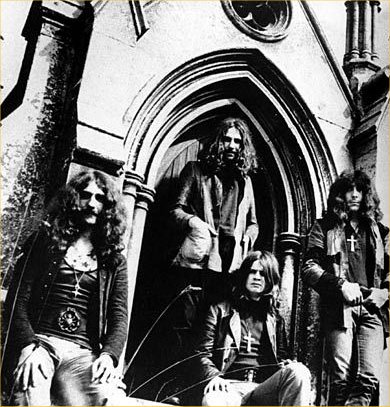
dall'album "Paranoid"
dall'album "Paranoid"
Reflex in the sky warn you you're gonna die
(Continues)
(Continues)
Contributed by Riccardo Venturi 2007/3/16 - 11:46
Hand of Doom
(1970)
dallo storico album "Paranoid", lo stesso di War Pigs, Iron Man e Electric Funeral
ripresa anche dagli Slayer
Lyrics: Geezer Butler
Music: Tony Iommi, Geezer Butler, Bill Ward, Ozzy Osbourne
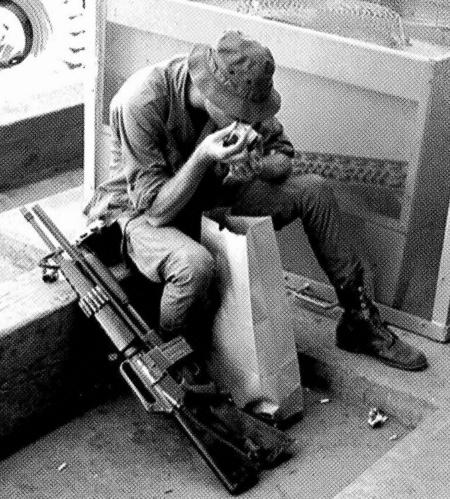
Geezer Butler scrisse il testo quando osservò un gran numero di soldati USA veterani del Vietnam che arrivavano in Inghilterra con problemi di dipendenza dalle droghe pesanti. Il protagonista della canzone per dimenticare le atrocità vissute in Vietnam si fa di eroina, che lo condurrà alla morte che lo aveva risparmiato durante la guerra.
dallo storico album "Paranoid", lo stesso di War Pigs, Iron Man e Electric Funeral
ripresa anche dagli Slayer
Lyrics: Geezer Butler
Music: Tony Iommi, Geezer Butler, Bill Ward, Ozzy Osbourne
Geezer Butler scrisse il testo quando osservò un gran numero di soldati USA veterani del Vietnam che arrivavano in Inghilterra con problemi di dipendenza dalle droghe pesanti. Il protagonista della canzone per dimenticare le atrocità vissute in Vietnam si fa di eroina, che lo condurrà alla morte che lo aveva risparmiato durante la guerra.
It's about the experiences of soldiers. We played at an American army base in Germany, and it was sort of a half-way house for soldiers coming back from Vietnam. And they were telling me that to get through the horrors of Vietnam they were turning to drugs over there.
Whatcha gonna do?
(Continues)
(Continues)
2020/10/24 - 18:53
Song Itineraries:
War in Vietnam: Veterans and consequences
Cornucopia
(1972)
Album: Vol. 4
Album: Vol. 4
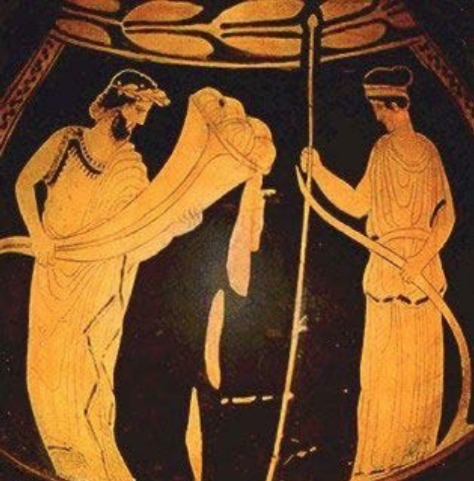
This song is about how people are easily deceived by wealth and materialistic desires. These people will eventually go insane because of prosperity. The cornucopia (horn of plenty) is a symbol of abundance from Greek mythology. Geezer Butler reportedly wrote it when he heard on the radio that “only” 25 men had been killed in Vietnam that week.
In order to maintain an economy of unfettered growth and comfort, capitalist societies have to continue to expand infinitely. This eventually results in invasive warfare in which other states are invaded for their resources. Capitalist societies have to create a normative culture of life being cheap and ready for the taking in order to sustain these values.
Genius
In order to maintain an economy of unfettered growth and comfort, capitalist societies have to continue to expand infinitely. This eventually results in invasive warfare in which other states are invaded for their resources. Capitalist societies have to create a normative culture of life being cheap and ready for the taking in order to sustain these values.
Genius
Too much near the truth they say
(Continues)
(Continues)
2020/10/26 - 22:01
Planet Caravan

(1970)
dal secondo album dei Black Sabbath, Paranoid
ripresa anche dai Pantera
Musicalmente, come spiega bene wikipedia, il brano è una sperimentazione piuttosto lontana dal canonico Heavy Rock dei Sabbath (e questa di proporre uno o due brani 'sperimentali' e di 'distacco' dal rock pesante per ogni album fu peculiarità fissa dei Sabbath per tutti gli anni '70). Questo brano infatti crea una sorta di atmosfera simile a quella di un sogno, effetto ottenuto principalmente dalla (in questo caso) insolita e calda voce di Ozzy Osbourne, filtrata con l'altoparlante rotante Leslie. L'accompagnamento è affidato a un vorticoso riff di basso di Geezer Butler su una sezione percussiva 'tribale' molto incisiva di Bill Ward. Particolarmente apprezzabile anche l'assolo di chitarra di sapore jazz eseguito da Tony Iommi verso il finale, con l'accompagnamento di una semplice sequenza di accordi di pianoforte... (Continues)
dal secondo album dei Black Sabbath, Paranoid
ripresa anche dai Pantera
Musicalmente, come spiega bene wikipedia, il brano è una sperimentazione piuttosto lontana dal canonico Heavy Rock dei Sabbath (e questa di proporre uno o due brani 'sperimentali' e di 'distacco' dal rock pesante per ogni album fu peculiarità fissa dei Sabbath per tutti gli anni '70). Questo brano infatti crea una sorta di atmosfera simile a quella di un sogno, effetto ottenuto principalmente dalla (in questo caso) insolita e calda voce di Ozzy Osbourne, filtrata con l'altoparlante rotante Leslie. L'accompagnamento è affidato a un vorticoso riff di basso di Geezer Butler su una sezione percussiva 'tribale' molto incisiva di Bill Ward. Particolarmente apprezzabile anche l'assolo di chitarra di sapore jazz eseguito da Tony Iommi verso il finale, con l'accompagnamento di una semplice sequenza di accordi di pianoforte... (Continues)
We sail through endless skies
(Continues)
(Continues)
2020/10/25 - 19:11
Song Itineraries:
Stories from Deep Space
God Is Dead?
(2013)
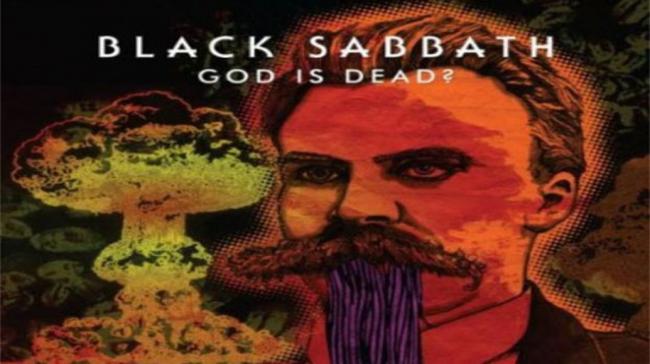
Primo singolo estratto dall'album "13" che vedeva il ritorno dei Sabbath nella formazione originale con Ozzy Osbourne alla voce.
«Dio è morto! Dio resta morto! E noi l'abbiamo ucciso! Come potremmo sentirci a posto, noi assassini di tutti gli assassini? Nulla esisteva di più sacro e grande in tutto il mondo, ed ora è sanguinante sotto le nostre ginocchia: chi ci ripulirà dal sangue? Che acqua useremo per lavarci? Che festività di perdono, che sacro gioco dovremo inventarci? Non è forse la grandezza di questa morte troppo grande per noi? Non dovremmo forse diventare divinità semplicemente per esserne degni?»
Friedrich Nietzsche
Ozzy Osbourne parla del brano in un'intervista alla BBC:
“Mi trovavo nell’ufficio di qualcuno e c’era una rivista sul tavolo con un titolo ‘God is Dead’. Immediatamente ho pensato all’11 settembre, a tutti questi terroristi che agiscono in nome della religione... (Continues)
Primo singolo estratto dall'album "13" che vedeva il ritorno dei Sabbath nella formazione originale con Ozzy Osbourne alla voce.
«Dio è morto! Dio resta morto! E noi l'abbiamo ucciso! Come potremmo sentirci a posto, noi assassini di tutti gli assassini? Nulla esisteva di più sacro e grande in tutto il mondo, ed ora è sanguinante sotto le nostre ginocchia: chi ci ripulirà dal sangue? Che acqua useremo per lavarci? Che festività di perdono, che sacro gioco dovremo inventarci? Non è forse la grandezza di questa morte troppo grande per noi? Non dovremmo forse diventare divinità semplicemente per esserne degni?»
Friedrich Nietzsche
Ozzy Osbourne parla del brano in un'intervista alla BBC:
“Mi trovavo nell’ufficio di qualcuno e c’era una rivista sul tavolo con un titolo ‘God is Dead’. Immediatamente ho pensato all’11 settembre, a tutti questi terroristi che agiscono in nome della religione... (Continues)
Lost in the darkness, I fade from the light
(Continues)
(Continues)
2020/10/24 - 21:17
Song Itineraries:
September, 11: Attack on New York
Into the Void
[1971]
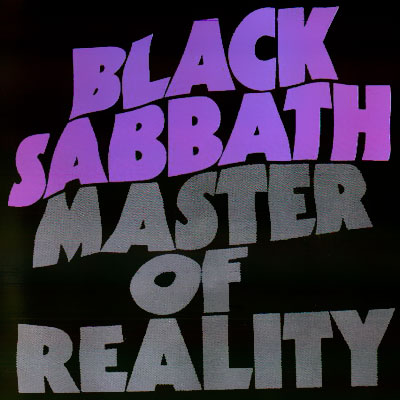
Album “Master of Reality”
Scritta da Ozzy Osbourne, Tony Iommi, Geezer Butler e Bill Ward
Album “Master of Reality”
Scritta da Ozzy Osbourne, Tony Iommi, Geezer Butler e Bill Ward
Rocket engines burning fuel so fast
(Continues)
(Continues)
Contributed by Bartleby 2012/1/19 - 11:28
Song Itineraries:
Stories from Deep Space
Age of Reason
(2013)
Testo di Geezer Butler
Musica di Ozzy Osbourne, Geezer Butler e Tony Iommi.
dall'album "13" che segnava il ritorno dei Black Sabbath con la formazione originale.
Se ieri era il Black Friday oggi è il Black Sabbath e lo vogliamo celebrare con questa canzone!
Testo di Geezer Butler
Musica di Ozzy Osbourne, Geezer Butler e Tony Iommi.
dall'album "13" che segnava il ritorno dei Black Sabbath con la formazione originale.
Se ieri era il Black Friday oggi è il Black Sabbath e lo vogliamo celebrare con questa canzone!
Do you hear the thunder
(Continues)
(Continues)
2019/11/30 - 15:42
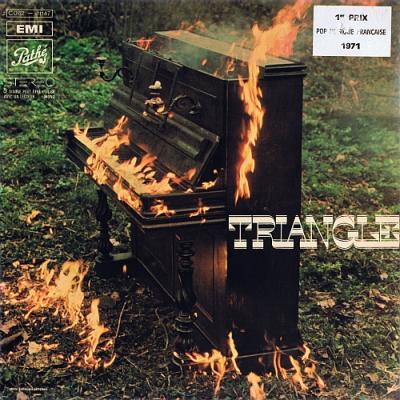
Peut-être demain
[1970]
Brano d'apertura dell'LP “Triangle”, esordio di questo gruppo di rock progressivo francese composto da Gérard "Papillon" Fournier (basso, voce), Jean-Pierre Prévotat (batteria), François Jeanneau (tastiere, fiati), Paul Farges (chitarra)
Il brano inizia con un inquietante rumore di stivali sul selciato...
Bellissima canzone che più che il rock progressive mi ricorda certe cose dei Black Sabbath o giù di lì...
Brano d'apertura dell'LP “Triangle”, esordio di questo gruppo di rock progressivo francese composto da Gérard "Papillon" Fournier (basso, voce), Jean-Pierre Prévotat (batteria), François Jeanneau (tastiere, fiati), Paul Farges (chitarra)
Il brano inizia con un inquietante rumore di stivali sul selciato...
Bellissima canzone che più che il rock progressive mi ricorda certe cose dei Black Sabbath o giù di lì...
Ils viendront la nuit
(Continues)
(Continues)
Contributed by Bernart Bartleby 2017/7/12 - 21:15
We the People....
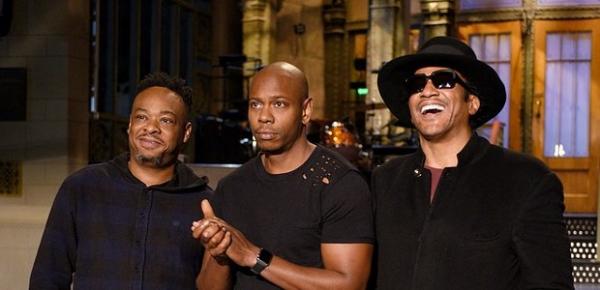
Album: We got it from Here... Thank You 4 Your service (2016)
Parole da Genius
batteria campionata da "Behind the Wall of Sleep" dei Black Sabbath
Una delle canzoni più politiche dell'album, "We the People..." (il cui titolo riprende ironicamente l'incipit della Costituzione statunitense), affronta i problemi della violenza poliziesca contro la comunità nera ed il razzismo del neo eletto Donald Trump.
Released three days after the election, A Tribe Called Quest’s new album, “We got it from Here…Thank You 4 Your service” makes statement after artful statement about racism in the United States. Additionally, the members of the group are Muslim and bring the fight against growing Islamophobia into their rhymes.
Aside from being a statement on the injustices committed against people of color, Tribe’s “We The People” offers a solution. The lyrics call out the propensity to turn a blind... (Continues)
Parole da Genius
batteria campionata da "Behind the Wall of Sleep" dei Black Sabbath
Una delle canzoni più politiche dell'album, "We the People..." (il cui titolo riprende ironicamente l'incipit della Costituzione statunitense), affronta i problemi della violenza poliziesca contro la comunità nera ed il razzismo del neo eletto Donald Trump.
Released three days after the election, A Tribe Called Quest’s new album, “We got it from Here…Thank You 4 Your service” makes statement after artful statement about racism in the United States. Additionally, the members of the group are Muslim and bring the fight against growing Islamophobia into their rhymes.
Aside from being a statement on the injustices committed against people of color, Tribe’s “We The People” offers a solution. The lyrics call out the propensity to turn a blind... (Continues)
[Verse 1: Q-Tip]
(Continues)
(Continues)
2017/1/6 - 20:54
Song Itineraries:
Donald Trump, Racism and Slavery in the USA
Iron Man
[1970]
Testo di Geezer Butler
Musica dei Black Sabbath (Ozzy Osbourne – voce, Tony Iommi – chitarra, Geezer Butler – basso, Bill Ward – batteria)
Nell’album intitolato “Paranoid”
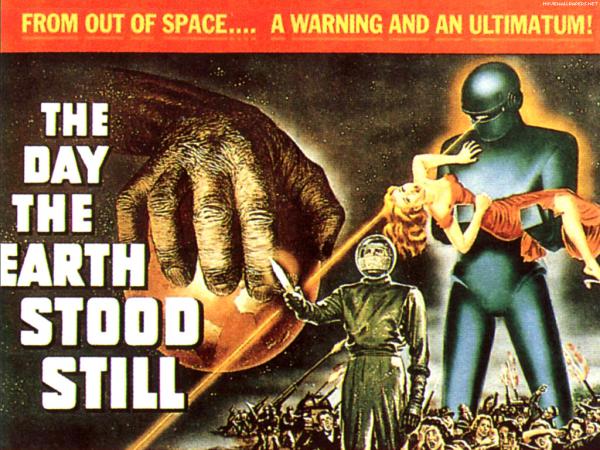
L’Iron Man dei Black Sabbath – dal disco “Paranoid”, quello che si apre sul lato A con l’altrettanto mitica War Pigs e su quello B con Electric Funeral – non c’entra proprio nulla con l’Iron Man della Marvel, il supereroe militarista, guerrafondaio e revanscista nato per aiutare i marines contro i vietcong nella guerra d’Indocina… Peccato che oggi il supereroe di latta dei “Vendicatori”, parzialmente depurato dal fascismo delle origini e tornato al grande successo, sfoggi nel tempo libero la maglietta dei Black Sabbath…
L’Iron Man di Ozzy Osbourne e compagni è invece il racconto dell’inevitabile autodistruzione cui l’umanità sta da tempo andando incontro, a rotta di collo…
L'Uomo di Ferro - di cui non viene... (Continues)
Testo di Geezer Butler
Musica dei Black Sabbath (Ozzy Osbourne – voce, Tony Iommi – chitarra, Geezer Butler – basso, Bill Ward – batteria)
Nell’album intitolato “Paranoid”
L’Iron Man dei Black Sabbath – dal disco “Paranoid”, quello che si apre sul lato A con l’altrettanto mitica War Pigs e su quello B con Electric Funeral – non c’entra proprio nulla con l’Iron Man della Marvel, il supereroe militarista, guerrafondaio e revanscista nato per aiutare i marines contro i vietcong nella guerra d’Indocina… Peccato che oggi il supereroe di latta dei “Vendicatori”, parzialmente depurato dal fascismo delle origini e tornato al grande successo, sfoggi nel tempo libero la maglietta dei Black Sabbath…
L’Iron Man di Ozzy Osbourne e compagni è invece il racconto dell’inevitabile autodistruzione cui l’umanità sta da tempo andando incontro, a rotta di collo…
L'Uomo di Ferro - di cui non viene... (Continues)
I am Iron Man
(Continues)
(Continues)
Contributed by Bernart Bartleby 2014/9/11 - 12:16
Song Itineraries:
War on Earth
Blood on the Valley Floor
da "King Animal" (2012)
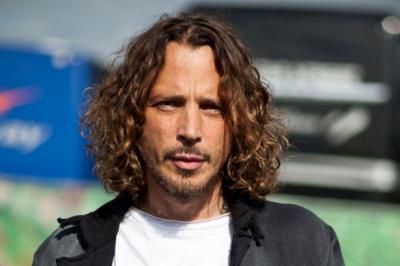
Il ritorno dei Soundgarden, a 13 anni di distanza da "Down on the Upside" e dopo tre album solisti di Chris Cornell e lo scioglimento degli Audioslave.
Una canzone in puro stile Black Sabbath con un testo horror ma pienamente contro la guerra.
Il ritorno dei Soundgarden, a 13 anni di distanza da "Down on the Upside" e dopo tre album solisti di Chris Cornell e lo scioglimento degli Audioslave.
Una canzone in puro stile Black Sabbath con un testo horror ma pienamente contro la guerra.
Mountains all around
(Continues)
(Continues)
2013/9/1 - 00:45
Wicked World
[1970]
Testo e musica di Iommi/Osborne/Butler/Ward
Lyrics and music by Iommi/Osborne/Butler/Ward
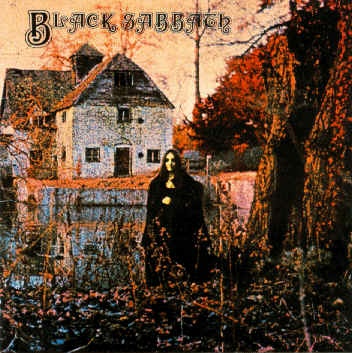
Album: "Black Sabbath" (US/Warner Original)
Black Sabbath's first protest song is this Geezer Butler composition from the first album, Black Sabbath, that condemns war, poverty and the indifference displayed by the politicians who orchestrate the wars.
Testo e musica di Iommi/Osborne/Butler/Ward
Lyrics and music by Iommi/Osborne/Butler/Ward
Album: "Black Sabbath" (US/Warner Original)
Black Sabbath's first protest song is this Geezer Butler composition from the first album, Black Sabbath, that condemns war, poverty and the indifference displayed by the politicians who orchestrate the wars.
The world today is such a wicked place,
(Continues)
(Continues)
Contributed by Joe Bongiorno 2009/3/26 - 04:40
×
![]()

Musica di Tony Iommi, G. Butler, Bill Ward & Ozzy Osbourne
Interpretata anche dai Faith No More
Questa canzone risale al 1970 (apriva l'album "Paranoid") e la guerra a cui si fa riferimento è quella del Vietnam.
Doveva essere la title track dell'album, ma la casa discografica rifiutò e optò per il più innocuo titolo "Paranoid"
Per ulteriori informazioni rimandiamo a Wikipedia
Butler has said that the song was "totally against the Vietnam War, about how these rich politicians and rich people start all the wars for their benefit and get all the poor people to die for them", while Ozzy Osbourne, Black Sabbath's lead singer, has stated that the group "knew nothing about Vietnam. It's just an anti-war song."
Secondo Butler, il bassista dei Black Sabbath e autore del testo, la canzone era "completamente contro la guerra nel Vietnam, contro questi politici e riccastri... (Continues)