Language
----
Adighe Afar Afrihili Afrikaans Afro-Asiatic (Other) Ainu Akan Akkadian Albanian Alemannic Aleut Algonquian languages Altaic (Other) Amharic Apache languages Arabic Aragonese Aramaic Arapaho Araucanian Arawak Armenian Artificial (Other) Assamese Asturian (Bable) Athapascan languages Australian languages Austronesian (Other) Avaric Avestan Awadhi Aymara Azerbaijani Balinese Baltic (Other) Baluchi Bambara Bamileke languages Banda Bantu (Other) Basa Bashkir Basque Batak (Indonesia) Beja Belarusian Bemba Bengali Berber (Other) Bhojpuri Bihari Bikol Bini Bislama Blin Bosnian Braj Breton Buginese Bulgarian Buriat Burmese Caddo Cantonese Carib Catalan Caucasian (Other) Cebuano Celtic (Other) Central American Indian (Other) Chagatai Chamic languages Chamorro Chechen Cherokee Cheyenne Chibcha Chichewa Chinese Chinook jargon Chipewyan Choctaw Church Slavic Chuukese Chuvash Classical Newari Coptic Cornish Corsican Cree Creek Creoles and pidgins (Other) Creoles and pidgins, English based (Other) Creoles and pidgins, French-based (Other) Creoles and pidgins, Portuguese-based (Other) Crimean Tatar Croatian Czech Dakota Danish Dargwa Dayak Delaware Dinka Divehi Dogri Dogrib Dravidian (Other) Duala Dutch Dutch, Middle (ca.1050-1350) Dyula Dzongkha Efik Egyptian (Ancient) Ekajuk Elamite English English, Middle (1100-1500) English, Old (ca.450-1100) Erzya Esperanto Estonian Ewe Ewondo Fang Fanti Faroese Fijian Filipino Finnish Finno-Ugrian (Other) Fon Franco-Provençal French French, Middle (ca.1400-1600) French, Old (842-ca.1400) Frisian Friulian Fulah Ga Gaelic Galician Ganda Gayo Gbaya Geez Gen Georgian German German, Middle High (ca.1050-1500) German, Old High (ca.750-1050) Germanic (Other) Gilbertese Gondi Gorontalo Gothic Grebo Greek (Ancient) Greek (Modern) Guarani Gujarati Gwich´in Haida Haitian Hausa Hawaiian Hebrew Herero Hiligaynon Himachali Hindi Hiri Motu Hittite Hmong Hungarian Hupa Iban Icelandic Ido Igbo Ijo Iloko Inari Sami Indic (Other) Indo-European (Other) Indonesian Ingush Instrumental Interlingua (International Auxiliary Language Association) Interlingue Inuktitut Inupiaq Iranian (Other) Irish Irish, Middle (900-1200) Irish, Old (to 900) Iroquoian languages Italian Japanese Javanese Judeo-Arabic Judeo-Persian Kabardian Kabyle Kachin Kalaallisut Kalmyk Kamba Kannada Kanuri Kara-Kalpak Karachay-Balkar Karen Kashmiri Kashubian Kawi Kazakh Kelartic Khasi Khmer Khoisan (Other) Khotanese Kikuyu Kimbundu Kinyarwanda Kirghiz Klingon Komi Kongo Konkani Korean Kosraean Kpelle Kru Kuanyama Kumyk Kurdish Kurukh Kutenai Ladino Lahnda Lamba Lao Latin Latvian Lezghian Limburgan Lingala Lithuanian Low German Lower Sorbian Lozi Luba-Katanga Luba-Lulua Luiseno Lule Sami Lunda Luo (Kenya and Tanzania) Luxembourgish Macedonian Madurese Magahi Maithili Makasar Malagasy Malay Malayalam Maltese Manchu Mandar Mandingo Manipuri Manobo languages Manx Maori Marathi Mari Marshallese Marwari Masai Mayan languages Mende Mi'kmaq Minangkabau Mirandese Miscellaneous languages Mohawk Moksha Moldavian Mon-Khmer (Other) Mongo Mongolian Mossi Multiple languages Munda languages Nahuatl Nauru Navajo Ndebele, North Ndebele, South Ndonga Neapolitan Nepal Bhasa Nepali Nias Niger-Kordofanian (Other) Nilo-Saharan (Other) Niuean Nogai Norse, Old North American Indian Northern Sami Northern Sotho Norwegian Norwegian Bokmål Norwegian Nynorsk Nubian languages Nyamwezi Nyankole Nyoro Nzima Occitan (post 1500) Ojibwa Oriya Oromo Osage Osing Ossetian Otomian languages Pahlavi Palauan Pali Pampanga Pangasinan Panjabi Papiamento Papuan (Other) Persian Persian, Old (ca.600-400 B.C.) Philippine (Other) Phoenician Pohnpeian Polish Portuguese Prakrit languages Provençal, Old (to 1500) Pushto Quechua Raeto-Romance Rajasthani Rapanui Rarotongan Romance (Other) Romanian Romany Rundi Russian Salishan languages Samaritan Aramaic Sami languages (Other) Samoan Sandawe Sango Sanskrit Santali Sardinian Sasak Scots Selkup Semitic (Other) Serbian Serer Shan Shona Sichuan Yi Sicilian Sidamo Sign Languages Siksika Sindhi Sinhalese Sino-Tibetan (Other) Siouan languages Skolt Sami Slave (Athapascan) Slavic (Other) Slovak Slovenian Sogdian Somali Songhai Soninke Sorbian languages Sotho, Southern South American Indian (Other) Southern Altai Southern Sami Spanish Sukuma Sumerian Sundanese Susu Swahili Swati Swedish Syriac Tagalog Tahitian Tai (Other) Tajik Talysh Tamashek Tamil Tatar Telugu Tereno Tetum Thai Tibetan Tigre Tigrinya Timne Tiv Tlingit Tok Pisin Tokelau Tonga (Nyasa) Tonga (Tonga Islands) Tsimshian Tsonga Tswana Tumbuka Tupi languages Turkish Turkish, Ottoman (1500-1928) Turkmen Tuvalu Tuvinian Twi Udmurt Ugaritic Uighur Ukrainian Umbundu Undetermined Upper Sorbian Urdu Uzbek Vai Venda Vietnamese Volapük Votic Wakashan languages Walamo Walloon Waray Washo Welsh Wolof Wu Chinese Xhosa Yakut Yao Yapese Yiddish Yoruba Yupik languages Zande Zapotec Zenaga Zhuang Zulu Zuni lushai
Song Itinerary
... #freeAssange 1968 and surroundings 1994: The Rwanda Genocide 2020-2023: COVID-19 Songbook Aboriginal Australians: racism, segragation, assimilation and stolen generations Ah, Italy enslaved, abode of misery Anthems and Anti-Anthems Anti War Love Songs Anti-war classical music Anti-War Jazz Anti-war Movies Soundtracks Antifa AWS: Militant antifascism Antiwar (and Antiwork) Donkeys Antiwar Anticlerical Apartheid, Institutionalized Racist Shame Argentinian military dictatorship 1976-1982. The desaparecidos AWM: AntiWar Movies AWV (AntiWar Wolves) Balkan Wars of the 90's Barricades Bridges Cars Cats & Bad cats Che Guevara Chechenian Wars Chico Mendes Child Abuse Chile 1970-1990. The Unidad Popular, Allende, the golpe of 11 September 1973, Pinochet's regime Christmas Truce 1914 Conflicts in Ireland Corsica: Colonialism, Repression and Struggle Damned drones Death penalty: murder by the power Deserters Don Quixote between Eternity and '82 Donald Trump Earthquakes Edelweiss Pirates - Youth Resistance in Nazi Germany Executioners & Hangmen Co. Exiles and exilees Extermination camps Falklands (Malvinas) War Fascist and Nazist mass slaughters in Italy and Europe Fear: mass control weapon Football between war and peace Free Birds From Kurdistan From olden times: Songs against war, inside war, around war From World Jails fuckin' conscription Gaetano Bresci Genoa - G8, police repression, Carlo Giuliani George Walker Bush II Ghettos Giordano Bruno God won't decide for my life. Euthanasia and Suicide. Guantanamo Bay detention camp Heresies and heretics Heroes High Speed Trains in Susa Valley (Piedmont, Italy): Opposition and repression Hiroshima and Nagasaki 広島市 - 長崎市 Italian Unification and Society in Sicilian Folk Songs LGBTQIA+ community and homophobia: love against violence and prejudice Luigi Mangione Lunatics and lunatic camps: Lagers, troubles, repression, freedom Mafia and Mafias Magyarország 1956. The Hungarian revolt. Make Love, Not War Martin Luther King Masaniello Mexico 1968: students revolt, Tlatelolco, repression Miss Maggie Thatcher Mort au Travail / Death to Work Murder Ballads Napoleon's Wars Native American Genocide and Empowerment No Nukes Not only Carlo. Victims of police repression in Italy and throughout the world Nursery rhymes, Merry-go-rounds, Lullabies and other Anti-war Songs for Childhood Overtourism Peppino Impastato Poppie: an Antiwar flower? Prague Spring 1968 Prime Minister Abuse Primitive AWS Rachel Corrie Racism and Slavery in the USA Resistance against Nazi-Fascism in Italy and Europe Right-wing Reactionarism against and inside war Rom, Racism, Porrajmos Sacco and Vanzetti Salazar's Dictatorship in Portugal, Portuguese colonial wars and the Revolution of Carnations September, 11: Attack on New York Shipwrecks Shit, our sister Special Page State Massacres in Italy, 1969-1993: From Piazza Fontana to Via dei Georgofili Stories from Deep Space The "Colonels' Dictatorship" in Greece, 1967-1974 The "Fronde Songs" in Fascist Italy 1922-1943 The "Outlaw War" and the Southern Question in post-unity Italy The Algerian War The Armenian Genocide The Berlin Wall, 1961-1989 The Cathars and and the Albigensian Crusade The Darfur Tragedy The Devil The Gulag Archipelago The Luddites The origins of War and the 100,000 years war The other side of AWS: AntiWar Shit The Palestinian Holocaust The Paris Commune, 1871 The Spanish Civil War 1936-1939 and Franco's Dictatorship The Thousands AWS The Tibetan Drama The War of Labour: Emigration, Immigration, Exploitation, Slavery Thirty Years' war Thomas Sankara Tien An Men Square, 1989 Traditional English, Scottish and Irish ballads Trains Truth about Giulio Regeni Truth and Lie Upside Down World Víctor Jara Violence on Women: just like and worse than war Vittorio Arrigoni War against Animals War in Viet Nam as seen from Italy and from the rest of the world War in Viet Nam as seen from the U.S. War in Viet Nam: as seen from Viet Nam War in Viet Nam: Student Protest and Repression War in Vietnam: Veterans and consequences War on Earth Wars in Ukraine Weapons: our daily home war Witches Woodstock 1969 and other pop rock festivals World War I (1914-1918)

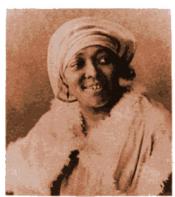
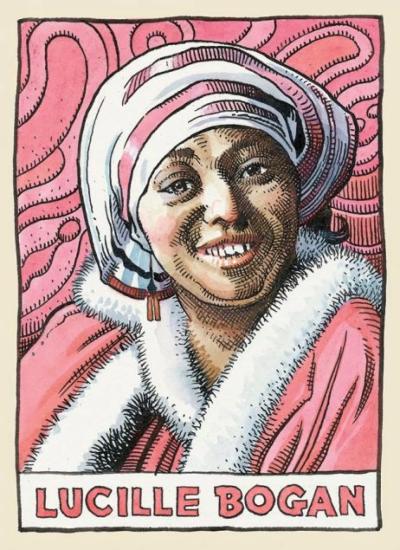

Una canzone che racconta di quanto fosse difficile essere una ragazza in un 'levee camp'.
Una parte della popolazione di questi accampamenti era costituito da donne nere, impiegate come cuoche, o prostitute per i lavoratori.
"Levee camps were temporary settlements erected along the Mississippi River from roughly 1880 to 1940 to support the construction, repair, and enlargement of the great earthen levees that run along both sides of the river’s banks. The typical levee camp that flourished during this period housed an almost exclusively black male workforce of seasonally employed mule drivers, overseen by white foremen and levee contractors, though black women also came to the camps to live with and cook for individual workers or to serve as paid cooks in camp commissaries. This style of levee camp was especially numerous in the low-lying Arkansas-Mississippi... (Continues)