




Comin' a time, B.D. women (1) ain't gonna need no men
Comin' a time, B.D. women ain't gonna to need no men
Oh they way treat us is a lowdown and dirty sin
B.D. women, you sure can't understand
B.D. women, you sure can't understand
They got a head like a sweet angel and they walk just like a natural man
B.D. women, they all done learned their plan
B.D. women, they all done learned their plan
They can lay their jive just like a natural man
B.D. women, B.D. women, you know they sure is rough
B.D. women, B.D. women, you know they sure is rough
They all drink up plenty whiskey and they sure will strut their stuff
B.D. women, you know they work and make their dough
B.D. women, you know they work and make their dough
And when they get ready to spend it, they know they have to go
Comin' a time, B.D. women ain't gonna to need no men
Oh they way treat us is a lowdown and dirty sin
B.D. women, you sure can't understand
B.D. women, you sure can't understand
They got a head like a sweet angel and they walk just like a natural man
B.D. women, they all done learned their plan
B.D. women, they all done learned their plan
They can lay their jive just like a natural man
B.D. women, B.D. women, you know they sure is rough
B.D. women, B.D. women, you know they sure is rough
They all drink up plenty whiskey and they sure will strut their stuff
B.D. women, you know they work and make their dough
B.D. women, you know they work and make their dough
And when they get ready to spend it, they know they have to go
(1) B.D.: "bull dyker" (o "bull dagger"), termine spregiativo con il quale in gergo si indicavano le lesbiche che avevano modi e aspetto deliberatamente maschili.
Il verso iniziale ('Verrà il momento in cui le donne lesbiche non avranno più bisogno di uomini') è molto progressista per l'epoca, la seconda metà degli anni Trenta.
Il verso iniziale ('Verrà il momento in cui le donne lesbiche non avranno più bisogno di uomini') è molto progressista per l'epoca, la seconda metà degli anni Trenta.
Contributed by Marcello Tagliabue - 2025/12/1 - 19:33
×
![]()
Note for non-Italian users: Sorry, though the interface of this website is translated into English, most commentaries and biographies are in Italian and/or in other languages like French, German, Spanish, Russian etc.

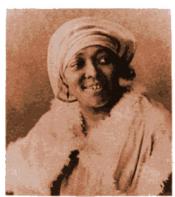
È una delle non molte canzoni blues in cui si parla apertamente di lesbismo. Diverse cantanti blues, erano lesbiche o bisessuali. Alcune lo dichiaravano apertamente, come Ma Rainey, Bessie Smith o Gladys Bentley; altre invece preferivano non rendere pubblico il loro lesbismo. Per esempio Alberta Hunter nascose sempre la sua relazione con Lottie Tyler; Ethel Waters aveva una relazione arcinota con una ballerina di nome Ethel Williams (per cui venivano chiamate 'The two Ethels'), ma non lo ammise mai pubblicamente.
Registrata a New York il 7 marzo 1935, sotto lo pseudonimo di Bessie Jackson. È accompagnata dal pianista Walter Roland.