



Ποτάμι τρέχει ο λαός
στους στολισμένους δρόμους,
στα μάτια του οργή και φως,
ανάπηροι στους ώμους.
στα μάτια του οργή και φως
ανάπηροι στους ώμους
Πήραμε τ’ Αργυρόκαστρο
και πάμε παραπέρα,
τύραννοι, δε γλιτώνετε,
αέρα,αέρα, αέρα
Η μάνα κλαίει στη γωνιά
κι η κόρη στο μπαλκόνι,
το δίκιο για τη λευτεριά
σαν πέλαγο φουσκώνει
το δίκιο για τη λευτεριά
σαν πέλαγο φουσκώνει
Πήραμε τ’ Αργυρόκαστρο…
και πάμε παραπέρα,
τύραννοι, δε γλιτώνετε,
αέρα, ,αέρα, αέρα
αέρα, ,αέρα, αέρα…
στους στολισμένους δρόμους,
στα μάτια του οργή και φως,
ανάπηροι στους ώμους.
στα μάτια του οργή και φως
ανάπηροι στους ώμους
Πήραμε τ’ Αργυρόκαστρο
και πάμε παραπέρα,
τύραννοι, δε γλιτώνετε,
αέρα,αέρα, αέρα
Η μάνα κλαίει στη γωνιά
κι η κόρη στο μπαλκόνι,
το δίκιο για τη λευτεριά
σαν πέλαγο φουσκώνει
το δίκιο για τη λευτεριά
σαν πέλαγο φουσκώνει
Πήραμε τ’ Αργυρόκαστρο…
και πάμε παραπέρα,
τύραννοι, δε γλιτώνετε,
αέρα, ,αέρα, αέρα
αέρα, ,αέρα, αέρα…
Contributed by Riccardo Gullotta - 2025/8/21 - 15:13
Language: English
English translation / Μετέφρασε στα αγγλικά / Traduzione inglese / Traduction anglaise / Englanninkielinen käännös:
Marina Boronina
Marina Boronina
WE HAVE TAKEN ARGIROKASTRO
People are running like a river
On the decorated streets
In the eyes they have rage and light
Cripples on the shoulders
In the eyes they have rage and light
Cripples on the shoulders
We have taken Argirokastro
And we are going, we are going, we are going further
Tyrants, you will not save yourselves
Air! Air! Air!
The mother is crying on the corner
And the daughter on the balcony
The right for the freedom
Is heaving like sea
The right for the freedom
Is heaving like sea
We have taken Argirokastro
And we are going, we are going, we are going further
Tyrants, you will not save yourselves
Air! Air! Air!
Air! Air! Air!.....
People are running like a river
On the decorated streets
In the eyes they have rage and light
Cripples on the shoulders
In the eyes they have rage and light
Cripples on the shoulders
We have taken Argirokastro
And we are going, we are going, we are going further
Tyrants, you will not save yourselves
Air! Air! Air!
The mother is crying on the corner
And the daughter on the balcony
The right for the freedom
Is heaving like sea
The right for the freedom
Is heaving like sea
We have taken Argirokastro
And we are going, we are going, we are going further
Tyrants, you will not save yourselves
Air! Air! Air!
Air! Air! Air!.....
Contributed by Riccardo Gullotta - 2025/8/21 - 15:14
Language: Italian
Traduzione italiana / Μετέφρασε στα ιταλικά / Italian translation / Traduction italienne / Italiankielinen käännös:
Riccardo Gullotta
Riccardo Gullotta
ABBIAMO PRESO ARGIROCASTRO
La gente é fiume che scorre
Nelle strade addobbate
Negli occhi hanno rabbia e luce
Portano i disabili sulle spalle
Negli occhi hanno rabbia e luce
Portano i disabili sulle spalle [1]
Abbiamo preso Argirokastro
E andiamo, andiamo, andiamo oltre
Tiranni, non vi salverete
Aria! Aria! Aria!
La madre piange all'angolo
La figlia sul balcone
Il diritto alla libertà
Si solleva come marea
Il diritto alla libertà
Si solleva come marea
Abbiamo preso Argirokastro
E andiamo, andiamo, andiamo oltre
Tiranni, non vi salverete
Aria! Aria! Aria!
Aria! Aria! Aria!.....
La gente é fiume che scorre
Nelle strade addobbate
Negli occhi hanno rabbia e luce
Portano i disabili sulle spalle
Negli occhi hanno rabbia e luce
Portano i disabili sulle spalle [1]
Abbiamo preso Argirokastro
E andiamo, andiamo, andiamo oltre
Tiranni, non vi salverete
Aria! Aria! Aria!
La madre piange all'angolo
La figlia sul balcone
Il diritto alla libertà
Si solleva come marea
Il diritto alla libertà
Si solleva come marea
Abbiamo preso Argirokastro
E andiamo, andiamo, andiamo oltre
Tiranni, non vi salverete
Aria! Aria! Aria!
Aria! Aria! Aria!.....
[1] Pythagoras ha superato sé stesso nella descrizione di un popolo che si libera e fa festa. Particolarmente suggestiva l’immagine dei compagni che portano i disabili sulle spalle, perché è anche la loro festa. Fa venire in mente Luca 14, 13: “Invita poveri, storpi, zoppi, ciechi”. [RG]
Contributed by Riccardo Gullotta - 2025/8/21 - 15:26
×
![]()
Note for non-Italian users: Sorry, though the interface of this website is translated into English, most commentaries and biographies are in Italian and/or in other languages like French, German, Spanish, Russian etc.

[1973]
Στίχοι / Testo / Lyrics / Paroles / Sanat:
Pythagoras
Μουσική / Musica / Music / Musique / Sävel:
Giorgos Katsaros
Ερμηνεία / Interpreti / Performed by / Interprétée par / Laulavat:
Marinella
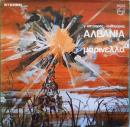
'Αλμπουμ / Album: Αλβανία
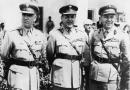
La canzone inneggia ad uno degli episodi della controffensiva greca. Argirocastro, nell'Epiro albanese, fu infatti presa dall’esercito greco l’8 Dicembre 1940 mentre il Regio Esercito batteva in ritirata.
L’Italia fascista dichiarò guerra all’Albania il 28 Ottobre 1940. Per l’offensiva scatenata sul fronte meridionale dell’Albania il Regio Esercito aveva schierato il XXV Corpo d’Armata , forte di 3 divisioni con 29mila soldati e il Raggruppamento Litorale con 5mila effettivi, mentre più a nord al confine macedone erano schierate 3 divisioni del XXVI Corpo d’Armata con 31mila soldati.
La Julia con circa 11mila alpini assicurava il collegamento tra i due Corpi. Altri 12mila fanti della divisione Arezzo erano schierati a difesa del confine jugoslavo. L’offensiva italiana fu un disastro a causa della mancanza di organizzazione bellica, contrasti nella strategia, insufficienza logistica. L’esercito greco non solo resistette validamente ma avanzò decisamente in Albania meridionale, nei territori già occupati dall’Italia fascista. Lo stallo durò sino al Marzo 1941.
L’”offensiva di primavera” fu un altro fallimento. Da lì a breve l’intervento tedesco in Jugoslavia e in Grecia avrebbe cambiato radicalmente le sorti. In tali condizioni di fronte alla potenza soverchiante della Wehrmacht la Grecia capitolò. il generale greco Papagos ordinò il 12 Aprile 1941 la ritirata delle divisioni greche dalla Macedonia occidentale e dall’Epiro. Fu così che il Regio Esercito italiano potè ritornare nei territori dell’Albania meridionale che era stato costretto ad abbandonare, tra cui Argirocastro, sino all'8 Settembre 1943 [Riccardo Gullotta]