





Í augsýn er nú frelsi,
og fyrr það mátti vera,
ný fylkja konur liði
og frelsismerki bera.
Stundin er runnin upp!
Tökumst allar hönd í hönd
og höldum fast á málum
þó ýmsir vilji aftur á bak
en aðrir standa í stað,
tökum við aldrei undir það!
En þori ég vil ég get ég?
Já ég þori, get og vil.
En þori ég vil ég get ég?
Já ég þori get og vil.
Og seinna börnin segja:
sko mömmu, hún hreinsaði til.
Já seinna börnin segja:
þetta er einmitt sú veröld sem ég vil.
Áfram stelpur standa á fætur
slítum allar gamlar rætur
þúsund ára kvennakúgunar.
Ef einstaklingurinn er virkur,
verður fjöldinn okkar styrkur
og við gerum breytingar.
Atkvæði eigum við í hrönnum
komum pólitíkinni í lag
sköpum jafnrétti og bræðralag.
Áfram stelpur, hér er höndin
hnýtum saman vinaböndin
verum ekki deigar dansinn í.
Byggjum nýjan heim með höndum
hraustra kvenna í öllum löndum
látum enga linku vera í því.
Börnin eignast alla okkar reynslu,
sýnum með eigin einingu,
aflið í fjöldasamstöðu.
Stelpur horfið ögn til baka
á allt sem hefur konur þjakað
stelpur horfið bálreiðar um öxl.
Ef baráttu að baki áttu
berðu höfuð hátt og láttu
efann hverfa 'unnist hefur margt.
Þó er mörgu ekki svarað enn:
því ekki er jafnréttið mikið í raun,
hvenær verða allir menn taldir menn
með sömu störf og líka sömu laun?
Í augsýn er nú frelsi,
og fyrr það mátti vera,
ný fylkja konur liði
og frelsismerki bera.
Stundin er runnin upp!
Tökumst allar hönd í hönd
og höldum fast á málum
þó ýmsir vilji aftur á bak
en aðrir standa í stað,
tökum við aldrei undir það!
En þori ég vil ég get ég?
Já ég þori, get og vil.
En þori ég vil ég get ég?
Já ég þori get og vil.
Og seinna börnin segja:
sko mömmu, hún hreinsaði til.
Já seinna börnin segja:
þetta er einmitt sú veröld sem ég vil.
En þori ég vil ég get ég?
Já ég þori, get og vil!
Contributed by Riccardo Venturi - 2020/12/14 - 08:56
Þýtt hefur til ítölsku / Traduzione italiana / Italian translation / Traduction italienne / Italienkielinen käännös:
Rikarður V. Albertsson, 28-9-2026 08:24

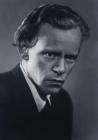
La canzone Áfram stelpur, l’ “inno” dello sciopero (o “giorno libero”) delle donne islandesi del 24 ottobre 1975, fu scritta da Dagný Kristjánsdóttir e dal marito Kristján Jónsson, entrambi nati nel 1949. Nata nella cittadina settentrionale di Ísafjörður (“Fiordo dei Ghiacci”), Dagný (“nuovo giorno”) è stata la terza donna islandese in assoluto a laurearsi presso la Háskóla Íslands, l’Università d’Islanda. In seguito ha insegnato a lungo letteratura islandese presso la medesima università, con particolare riguardo alla letteratura femminile. Ha sposato il collega Kristján Jónsson, coautore della canzone, anch’egli professore emerito presso l’Università d’Islanda. [RV]

Rikarður V. Albertsson, 28-9-2026 08:24
Reykjavík, 24 ottobre 1975.
La canzone Áfram stelpur, l’ “inno” dello sciopero (o “giorno libero”) delle donne islandesi del 24 ottobre 1975, fu scritta da Dagný Kristjánsdóttir e dal marito Kristján Jónsson, entrambi nati nel 1949. Nata nella cittadina settentrionale di Ísafjörður (“Fiordo dei Ghiacci”), Dagný (“nuovo giorno”) è stata la terza donna islandese in assoluto a laurearsi presso la Háskóla Íslands, l’Università d’Islanda. In seguito ha insegnato a lungo letteratura islandese presso la medesima università, con particolare riguardo alla letteratura femminile. Ha sposato il collega Kristján Jónsson, coautore della canzone, anch’egli professore emerito presso l’Università d’Islanda. [RV]
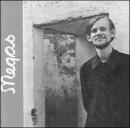
Dagný Kristjánsdóttir e il marito Kristján Jónsson
Avanti ragazze!
Ora la libertà è in vista,
E prima del previsto,
Un nuovo gruppo di donne unite
Reca simboli di libertà.
E’ giunto il momento!
Prendiamoci tutte per mano
E perseveriamo nella causa
E anche se qualcuno vorrà arretrare
Ed altri resteranno immobili
Noi non lo accetteremo mai!
Ma oso, voglio, posso?
Sì, oso, voglio e posso.
Ma oso, voglio, posso?
Sì, oso, voglio e posso.
E poi i bambini diranno:
Guarda, mamma ha fatto pulizia.
E poi i bambini diranno:
Questo è proprio il mondo che voglio.
Avanti, ragazze, in piedi!
Strappiamo tutte le vecchie radici
Di un'oppressione millenaria.
Se le singole persone prendono l'iniziativa
Il nostro numero sarà la nostra forza,
E cambieremo le cose.
I nostri voti contano,
Mettiamo a posto la politica,
Creiamo uguaglianza e fratellanza.
Avanti, ragazza, qua la mano!
Intrecciamo amicizie,
Non siamo arrendevoli quando siamo in ballo.
Costruiamo un nuovo mondo con le mani
Di donne forti in tutti i paesi,
Non lasciamo nulla di intentato.
I bambini erediteranno tutta la nostra esperienza,
Dimostriamo con la nostra unità
Il potere della solidarietà di massa.
Ragazze, vi siete guardate indietro
E avete visto tutto ciò che ha oppresso le donne?
Ragazze, vi siete guardate indietro incazzate?
Se dietro di te ci son difficoltà e lotte,
Tieni la testa alta, e fai
Svanire il dubbio, molto è stato ottenuto.
Tuttavia molte domande ancora restano senza risposta:
Dato che non c’è in realtà grande uguaglianza,
Quand’è che le persone saranno considerate persone
Con uguali possibilità lavorative e uguale paga?
Ora la libertà è in vista,
E prima del previsto,
Marcian le nuove donne
E portano segnali di libertà.
E’ giunto il momento!
Prendiamoci tutte per mano
E restiamo unite nella causa
Benché qualcuno voglia tornare indietro
Ed altri restino immobili
Non ci arrendiamo mai!
Ma oso, voglio, posso?
Sì, oso, voglio e posso.
Ma oso, voglio, posso?
Sì, oso, voglio e posso.
E poi i bambini diranno:
Guarda, mamma ha fatto pulizia.
E poi i bambini diranno:
Questo è proprio il mondo che voglio.
Ma oso, voglio, posso?
Sì, oso, voglio e posso.
Ora la libertà è in vista,
E prima del previsto,
Un nuovo gruppo di donne unite
Reca simboli di libertà.
E’ giunto il momento!
Prendiamoci tutte per mano
E perseveriamo nella causa
E anche se qualcuno vorrà arretrare
Ed altri resteranno immobili
Noi non lo accetteremo mai!
Ma oso, voglio, posso?
Sì, oso, voglio e posso.
Ma oso, voglio, posso?
Sì, oso, voglio e posso.
E poi i bambini diranno:
Guarda, mamma ha fatto pulizia.
E poi i bambini diranno:
Questo è proprio il mondo che voglio.
Avanti, ragazze, in piedi!
Strappiamo tutte le vecchie radici
Di un'oppressione millenaria.
Se le singole persone prendono l'iniziativa
Il nostro numero sarà la nostra forza,
E cambieremo le cose.
I nostri voti contano,
Mettiamo a posto la politica,
Creiamo uguaglianza e fratellanza.
Avanti, ragazza, qua la mano!
Intrecciamo amicizie,
Non siamo arrendevoli quando siamo in ballo.
Costruiamo un nuovo mondo con le mani
Di donne forti in tutti i paesi,
Non lasciamo nulla di intentato.
I bambini erediteranno tutta la nostra esperienza,
Dimostriamo con la nostra unità
Il potere della solidarietà di massa.
Ragazze, vi siete guardate indietro
E avete visto tutto ciò che ha oppresso le donne?
Ragazze, vi siete guardate indietro incazzate?
Se dietro di te ci son difficoltà e lotte,
Tieni la testa alta, e fai
Svanire il dubbio, molto è stato ottenuto.
Tuttavia molte domande ancora restano senza risposta:
Dato che non c’è in realtà grande uguaglianza,
Quand’è che le persone saranno considerate persone
Con uguali possibilità lavorative e uguale paga?
Ora la libertà è in vista,
E prima del previsto,
Marcian le nuove donne
E portano segnali di libertà.
E’ giunto il momento!
Prendiamoci tutte per mano
E restiamo unite nella causa
Benché qualcuno voglia tornare indietro
Ed altri restino immobili
Non ci arrendiamo mai!
Ma oso, voglio, posso?
Sì, oso, voglio e posso.
Ma oso, voglio, posso?
Sì, oso, voglio e posso.
E poi i bambini diranno:
Guarda, mamma ha fatto pulizia.
E poi i bambini diranno:
Questo è proprio il mondo che voglio.
Ma oso, voglio, posso?
Sì, oso, voglio e posso.
Þýtt hefur til ensku / Traduzione inglese / English translation / Traduction anglaise / Englanninkielinen käännös:
Rikarður V. Albertsson, 28-9-2026 10:37
Rikarður V. Albertsson, 28-9-2026 10:37
The song Áfram stelpur, the “anthem” of the Icelandic women’s strike (or “day off”) of October 24, 1975, was written by Dagný Kristjánsdóttir and her husband Kristján Jónsson, both born in 1949. Born in the northern town of Ísafjörður (“Ice Fjord”), Dagný (“New Day”) was the third Icelandic woman ever to graduate from Háskóla Íslands, the University of Iceland. She later taught Icelandic literature at the same university for a long time, with a focus on women’s literature. She married her colleague Kristján Jónsson, co-author of the song, who is also a professor emeritus at the University of Iceland. [RV]
Come on, girls!
Now freedom is in sight,
And sooner than expected,
A new group of women united
Bearing symbols of freedom.
The time has come!
Let's all join hands
Let’s carry on the cause
And even if some want to retreat
And others don’t move
We will never give up!
But, can I…? Do I dare, do I want it?
Yes, I dare, I want, I can.
But, can I…? Do I dare, do I want it?
Yes, I dare, I want, I can.
And then the children will say:
Look, mommy cleaned up.
And then the children will say:
This is exactly the world I want.
Come on, girls, stand up!
Let's tear out all the old roots
Of thousand year old oppression.
If everyone of us takes the initiative,
Our number will be our strength,
And we will change things.
Our votes matter,
Let's put order into politics,
Let's create equality and brotherhood.
Come on, girl, let’s shake hands!
Let's make friends,
Let's not give up when it matters.
Let's build a new world with the hands
Of strong women in every country,
Let's leave no stone unturned.
Children will inherit all our experience,
Let's demonstrate with our unity
The power of mass solidarity.
Girls, have you looked back
And seen everything that oppressed women?
Girls, have you looked back in anger?
If there are difficulties and struggles behind you,
Hold your head high, and
Dispel doubt, much has been achieved.
However, many questions still remain unanswered:
Since there isn't really much equality,
When will people be considered people
With equal job opportunities and equal pay?
Now freedom is in sight,
And sooner than expected,
A new group of women united
Bearing symbols of freedom.
The time has come!
Let's all join hands
Let’s carry on the cause
And even if some want to retreat
And others don’t move
We will never give up!
But, can I…? Do I dare, do I want it?
Yes, I dare, I want, I can.
But, can I…? Do I dare, do I want it?
Yes, I dare, I want, I can.
And then the children will say:
Look, mommy cleaned up.
And then the children will say:
This is exactly the world I want.
But, can I…? Do I dare, do I want it?
Yes, I dare, I want, I can.
Now freedom is in sight,
And sooner than expected,
A new group of women united
Bearing symbols of freedom.
The time has come!
Let's all join hands
Let’s carry on the cause
And even if some want to retreat
And others don’t move
We will never give up!
But, can I…? Do I dare, do I want it?
Yes, I dare, I want, I can.
But, can I…? Do I dare, do I want it?
Yes, I dare, I want, I can.
And then the children will say:
Look, mommy cleaned up.
And then the children will say:
This is exactly the world I want.
Come on, girls, stand up!
Let's tear out all the old roots
Of thousand year old oppression.
If everyone of us takes the initiative,
Our number will be our strength,
And we will change things.
Our votes matter,
Let's put order into politics,
Let's create equality and brotherhood.
Come on, girl, let’s shake hands!
Let's make friends,
Let's not give up when it matters.
Let's build a new world with the hands
Of strong women in every country,
Let's leave no stone unturned.
Children will inherit all our experience,
Let's demonstrate with our unity
The power of mass solidarity.
Girls, have you looked back
And seen everything that oppressed women?
Girls, have you looked back in anger?
If there are difficulties and struggles behind you,
Hold your head high, and
Dispel doubt, much has been achieved.
However, many questions still remain unanswered:
Since there isn't really much equality,
When will people be considered people
With equal job opportunities and equal pay?
Now freedom is in sight,
And sooner than expected,
A new group of women united
Bearing symbols of freedom.
The time has come!
Let's all join hands
Let’s carry on the cause
And even if some want to retreat
And others don’t move
We will never give up!
But, can I…? Do I dare, do I want it?
Yes, I dare, I want, I can.
But, can I…? Do I dare, do I want it?
Yes, I dare, I want, I can.
And then the children will say:
Look, mommy cleaned up.
And then the children will say:
This is exactly the world I want.
But, can I…? Do I dare, do I want it?
Yes, I dare, I want, I can.
Þýtt hefur til kinversku / 中文翻译 / Traduzione cinese / Chinese translation / Traduction chinoise / Kiinankielinen käännös
Sophia 林书砚
Sophia 林书砚
歌曲《Áfram stelpur》是1975年10月24日冰岛妇女罢工(或称“休息日”)的“颂歌”,由达格尼·克里斯蒂安斯多蒂尔(Dagný Kristjánsdóttir)和她的丈夫克里斯蒂安·琼森(Kristján Jónsson)共同创作,两人均出生于1949年。达格尼出生于北部小镇伊萨菲厄泽(Ísafjörður,意为“冰峡湾”),她是冰岛大学(Háskóla Íslands)历史上第三位毕业的冰岛女性。之后,她长期在该大学教授冰岛文学,尤其关注女性文学。她嫁给了她的同事 (Kristján Jónsson) 是这首歌的共同作者,也是冰岛大学的荣誉退休教授。
加油女孩
自由现在就在眼前,
而且可能更早,
新的女性群体联合起来 ,
承载着自由的象征。
时刻到了!
让我们大家携起手来,
坚持下去,
即使有人想倒退,
有人原地踏步,
我们也决不接受!
但我敢想要吗?
是的,我敢,我能,我愿意。
但我敢想要吗?
是的,我敢,我能,我愿意。
后来孩子们说:
看妈妈,她收拾干净了。
是的,后来孩子们说:
这就是我想要的世界。
继续前进,女孩们,
让我们打破数千年来
压迫妇女的所有旧根源。
如果个人积极主动,
我们的人数就会成为力量,
我们就会做出改变。
我们有投票权,
我们使政治秩序井然,
我们创造平等和博爱。
女孩们,来吧,手在这儿,
让我们把友谊的纽带系在一起,
让我们不要在面团里跳舞。
让我们用各国勇敢女性的双手,
千方百计建设新世界。
孩子们获得了我们所有的经验、
自己团结的样本、
群众团结的力量。
女孩们回顾
那些折磨女性的一切,
女孩们回顾她们的肩膀。
如果你身后有困难,
请昂首挺胸,
让疑虑消失——已经取得了很多成就。
然而,很多问题仍然没有答案:
因为现实中没有多少平等,
什么时候所有的人
都被认为是同工同酬的人?
自由现在就在眼前,
而且可能更早,
新的女性群体联合起来,
承载着自由的象征。
时刻到了!
让我们大家携起手来,
坚持下去,
即使有人想倒退,
有人原地踏步,
我们也决不接受!
但我敢想要吗?
是的,我敢,我能,我愿意。
但我敢想要吗?
是的,我敢,我能,我愿意。
后来孩子们说:
看妈妈,她收拾干净了。
是的,后来孩子们说:
这就是我想要的世界。
但我敢想要吗?
是的,我敢,我能,我愿意!
自由现在就在眼前,
而且可能更早,
新的女性群体联合起来 ,
承载着自由的象征。
时刻到了!
让我们大家携起手来,
坚持下去,
即使有人想倒退,
有人原地踏步,
我们也决不接受!
但我敢想要吗?
是的,我敢,我能,我愿意。
但我敢想要吗?
是的,我敢,我能,我愿意。
后来孩子们说:
看妈妈,她收拾干净了。
是的,后来孩子们说:
这就是我想要的世界。
继续前进,女孩们,
让我们打破数千年来
压迫妇女的所有旧根源。
如果个人积极主动,
我们的人数就会成为力量,
我们就会做出改变。
我们有投票权,
我们使政治秩序井然,
我们创造平等和博爱。
女孩们,来吧,手在这儿,
让我们把友谊的纽带系在一起,
让我们不要在面团里跳舞。
让我们用各国勇敢女性的双手,
千方百计建设新世界。
孩子们获得了我们所有的经验、
自己团结的样本、
群众团结的力量。
女孩们回顾
那些折磨女性的一切,
女孩们回顾她们的肩膀。
如果你身后有困难,
请昂首挺胸,
让疑虑消失——已经取得了很多成就。
然而,很多问题仍然没有答案:
因为现实中没有多少平等,
什么时候所有的人
都被认为是同工同酬的人?
自由现在就在眼前,
而且可能更早,
新的女性群体联合起来,
承载着自由的象征。
时刻到了!
让我们大家携起手来,
坚持下去,
即使有人想倒退,
有人原地踏步,
我们也决不接受!
但我敢想要吗?
是的,我敢,我能,我愿意。
但我敢想要吗?
是的,我敢,我能,我愿意。
后来孩子们说:
看妈妈,她收拾干净了。
是的,后来孩子们说:
这就是我想要的世界。
但我敢想要吗?
是的,我敢,我能,我愿意!
Contributed by Sophia林书砚 - 2024/1/27 - 08:58
×
![]()
Note for non-Italian users: Sorry, though the interface of this website is translated into English, most commentaries and biographies are in Italian and/or in other languages like French, German, Spanish, Russian etc.

Testo / Texti / Lyrics / Paroles / Sanat: Dagný Kristjánsdóttir - Kristján Jónsson
Musica / Lag / Music / Musique / Sävel: Gunnar Edander
Album / Albumi: Áfram stelpur
The front page of Morgunblaðið from October 25, 1975, featuring the Icelandic women's demonstration.
The Redstockings
The year 1975 had been declared the International Women's Year by the United Nations. Icelandic women's rights organizations, including representatives of the Redstockings, a group of radical feminists and women's rights activists, agreed that a women's general strike would be a powerful event. By walking off their jobs and refusing to do unpaid housework women could draw attention to their contribution to the economy and society.
In an effort to blunt the radical edge of the action and make the event more appealing to the mass of the population the planning committee settled on calling it a "day off." The decision was also motivated by fear that if the action was called a strike women who participated could be accused of engaging in a wildcat strike. Since wildcat strikes are illegal in Iceland, women could be fired for participating in a "strike" but not a "day off".
A giant gender pay gap
The action succeeded in paralyzing the Icelandic economy, forcing businesses and government offices to shut down. The next days local newspapers ran stories about men who had to do the dishes for the first time, bring their children with them to work and prepare dinner. Stores ran out of simple foods which only need boiling, like sausages (bjúgu) and hot dogs.
The impact of the strike was significant, as it helped change public opinion. A law was passed in 1976 banning wage discrimination on the basis of gender. The gender pay gap stood at more than 40% at the time: Women were paid less than 60% of what men were paid. According to the most recent data from Statistics Iceland the average wages of women are currently 74% of the average wages of men. The unexplained gender pay gap is smaller, or 4.5%.
Icelandic women have gone on strike five times since 1975, in 1985, 2005, 2010, 2016 and 2018. The 1975 Women's Strike has become an inspiration for women in other countries to organize similar action.
Áfram stelpur
A record containing feminist protest songs called Áfram stelpur (Onward Girls) was released on October 24. The title song, Áfram stelpur (Í augsýn er nú frelsi), Onward Girls (Freedom is within reach) has since become one of the most beloved Icelandic protest songs, as well as being the battle cry of the Icelandic women's rights movement.
The song as delivered by members of the Redstockings on stage on October 24 1975.
Le “Calze Rosse”
Il 1975 era stato dichiarato Anno Internazionale della Donna dalle Nazioni Unite. Le organizzazioni islandesi per i diritti delle donne, comprese le rappresentanti delle “Calze Rosse”, un gruppo di femministe radicali e attiviste per i diritti delle donne, concordarono sul fatto che uno sciopero generale delle donne sarebbe stato un evento di grande impatto. Scioperando e rifiutandosi di svolgere lavori domestici non retribuiti, le donne potevano attirare l'attenzione sul loro contributo all'economia e alla società.
Nel tentativo di smorzare la radicalità dell'azione e renderla più accettabile alla maggior parte della popolazione, il comitato organizzatore decise di chiamarla "giorno libero". La decisione fu motivata anche dal timore che, se l'azione fosse stata definita uno sciopero, le donne partecipanti potessero essere accusate di aver indetto uno sciopero selvaggio. Poiché gli scioperi selvaggi erano illegali in Islanda, le donne potevano essere licenziate per aver partecipato a uno "sciopero", ma non a un "giorno libero".
Un enorme divario salariale di genere
L'azione riuscì a paralizzare l'economia islandese, costringendo aziende e uffici governativi a chiudere. Nei giorni successivi, i giornali locali pubblicarono articoli su uomini che per la prima volta dovettero lavare i piatti, portare i figli al lavoro e preparare la cena. Nei negozi si esaurirono i prodotti alimentari di base che necessitano solo di essere bolliti, come le salsicce (bjúgu) e gli hot dog.
L'impatto dello sciopero fu significativo, poiché contribuì a cambiare l'opinione pubblica. Nel 1976 è stata approvata una legge che vieta la discriminazione salariale basata sul genere. All'epoca, il divario retributivo di genere superava il 40%: le donne guadagnavano meno del 60% di quanto guadagnavano gli uomini. Secondo i dati più recenti dell'Istituto di statistica islandese, attualmente il salario medio delle donne è pari al 74% del salario medio degli uomini. Il divario retributivo di genere non spiegato è inferiore, pari al 4,5%.
Le donne islandesi hanno scioperato cinque volte dal 1975: nel 1985, nel 2005, nel 2010, nel 2016 e nel 2018. Lo sciopero delle donne del 1975 è diventato fonte di ispirazione per le donne di altri paesi, che hanno organizzato azioni simili.
Áfram stelpur
Un disco contenente canzoni di protesta femministe intitolato Áfram stelpur (Avanti ragazze) è stato pubblicato il 24 ottobre 1975. La canzone che dà il titolo all'album, Áfram stelpur (Í augsýn er nú frelsi) “Avanti ragazze (La libertà è in vista), è diventata da allora una delle canzoni di protesta islandesi più amate, nonché il grido di battaglia del movimento islandese per i diritti delle donne. La canzone fu stata eseguita dalle componenti delle Redstockings sul palco il 24 ottobre 1975.